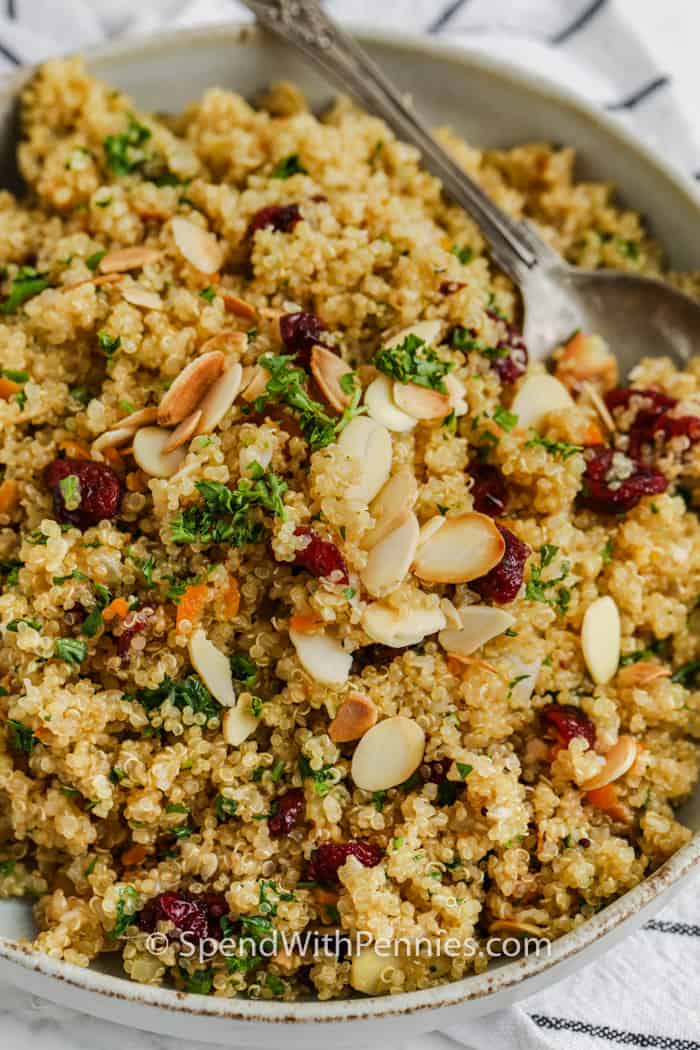
Easy Savory Quinoa Pilaf: Your High-Protein & Gluten-Free Meal Prep Solution
In a world increasingly seeking nutritious, convenient, and delicious meal options, savory quinoa pilaf stands out as a true culinary champion. This versatile dish is not just a treat for your taste buds but also a powerhouse of nutrition, making it an ideal choice for healthy eating and efficient meal preparation. Whether you're a seasoned chef or a kitchen novice, learning to master this simple yet sophisticated pilaf will revolutionize your approach to healthy, gluten-free dining. Forget bland and boring — prepare to embrace a meal that's bursting with flavor, texture, and goodness.Why Savory Quinoa Pilaf is Your New Meal Prep Hero
Quinoa, often mistaken for a grain, is actually a seed that behaves much like a grain in cooking. This distinction is crucial, as it provides quinoa with a unique nutritional profile that elevates it far beyond common rice or pasta dishes. When prepared as a savory pilaf, quinoa transforms into an incredibly satisfying and wholesome meal.The Nutritional Edge: High-Protein & Gluten-Free
One of the most compelling reasons to embrace savory quinoa pilaf is its outstanding nutritional value. Quinoa is a complete protein, meaning it contains all nine essential amino acids that our bodies cannot produce on their own. This makes it an invaluable food source for vegetarians, vegans, and anyone looking to boost their protein intake without relying solely on animal products. A single serving of quinoa pilaf can significantly contribute to your daily protein needs, helping with muscle repair, satiety, and overall energy levels. Furthermore, quinoa is naturally gluten-free. For individuals with celiac disease, gluten sensitivity, or those simply choosing to reduce gluten in their diet, quinoa offers a fantastic, nutrient-dense alternative to traditional grain-based dishes. It seamlessly takes the place of rice in many recipes, including classic pilafs, providing a similar texture with added health benefits. If you're keen to explore more about how this ancient seed revolutionizes gluten-free eating, you might find our in-depth article, Quinoa Pilaf: The High-Protein, Gluten-Free Alternative to Rice, particularly insightful.Unmatched Versatility for Any Occasion
Beyond its nutritional prowess, savory quinoa pilaf excels in its adaptability. It's a true chameleon in the kitchen, capable of being:- A robust main course.
- A flavorful and nutrient-rich side dish.
- A satisfying component in a packed lunch, enjoyed warm, at room temperature, or even chilled.
Defining "Pilaf": A Modern Twist on a Classic
A pilaf is traditionally a dish where a grain (like rice) is cooked in seasoned broth, often with sautéed aromatics and vegetables. Our savory quinoa pilaf follows this time-honored method, but by using quinoa instead of rice, we introduce a delightful nutty flavor and a significant protein boost. The result is a vibrant, textured dish that can be endlessly customized to suit your preferences or whatever ingredients you have on hand.Crafting the Perfect Savory Quinoa Pilaf: A Step-by-Step Guide
Creating a truly delicious savory quinoa pilaf is surprisingly simple. The key lies in layering flavors and textures, ensuring each component contributes to a harmonious whole. Here’s a detailed guide, building upon classic techniques and infusing it with our own insights.Essential Ingredients You'll Need:
- Quinoa: 1 cup (white for fluffier texture, red or black for a slightly crunchier bite). Always remember to rinse thoroughly unless pre-washed!
- Liquid: 2 cups water or vegetable/chicken broth (broth adds depth, but water allows quinoa's nutty flavor to shine).
- Olive Oil: 1 tbsp.
- Aromatics: 1 medium onion, peeled and diced; 2-3 cloves garlic, minced (optional, but highly recommended).
- Vegetables: 2 celery stalks, diced; 3-4 shiitake mushrooms, thinly sliced. Consider adding bell peppers (any color), diced carrots, or even a handful of spinach/kale for extra greens.
- Herbs: 1 tbsp. fresh sage, minced (or 1 tsp. dried sage); ¼ cup fresh parsley, chopped, for garnish. Fresh thyme or rosemary also work beautifully.
- Protein: 2-3 turkey sausage links, diced (use precooked for speed, or cook raw sausage thoroughly). Other great options include cooked chicken breast, chickpeas, or crumbled firm tofu.
- Sweet/Tart & Crunch: ¼ cup dried cranberries. Consider adding a handful of chopped almonds, walnuts, or pumpkin seeds for extra texture.
- Seasoning: Sea salt and freshly ground black pepper, to taste.
The Method: From Pan to Plate
1. Rinse the Quinoa: This is a crucial first step! Place the quinoa in a fine-mesh strainer and rinse it thoroughly under cold running water for at least 30 seconds. This removes saponin, a natural coating that can give quinoa a bitter taste. 2. Cook the Quinoa: In a medium saucepan, combine the rinsed quinoa and 2 cups of water (or broth). Add a pinch of sea salt. Bring the mixture to a boil over medium-high heat. Once boiling, cover the pot, reduce the heat to a low simmer, and cook for 12-15 minutes, or until all the liquid has been absorbed and the quinoa grains appear translucent with a tiny white "tail." Remove from heat and let it sit, covered, for 5 minutes before fluffing with a fork. 3. Sauté the Aromatics: While the quinoa cooks, heat olive oil in a large frying pan or skillet over medium-high heat. Add the diced onion (and garlic, if using) and sauté for 3-4 minutes, or until softened and translucent. 4. Add Vegetables and Herbs: Stir in the diced celery, sliced shiitake mushrooms, and fresh sage. Cook for another 5-7 minutes, stirring occasionally, until the vegetables begin to soften. If adding other hearty vegetables like carrots or bell peppers, add them now. 5. Incorporate the Protein: Add the diced turkey sausage (or your chosen protein) to the pan. Cook for 3-5 minutes, stirring, until the sausage is heated through and lightly browned. If using raw sausage, ensure it's cooked thoroughly. Season the mixture with sea salt and black pepper to taste. 6. Combine and Finish: In a large bowl, combine the cooked and fluffed quinoa, the sautéed vegetable and protein mixture, and the dried cranberries. Gently fold everything together until well combined. 7. Garnish and Serve: Transfer the savory quinoa pilaf to serving dishes. Garnish generously with fresh chopped parsley before serving.Tips for Success:
- Don't Overcook Quinoa: Overcooked quinoa can become mushy. Keep an eye on it and remove it from the heat once the liquid is absorbed.
- Season in Layers: Seasoning the quinoa during cooking and the sautéed vegetables separately ensures a more flavorful final dish.
- Experiment with Herbs: While sage and parsley are classic, try fresh thyme, rosemary, or even a touch of oregano.
Elevating Your Pilaf: Creative Add-Ins and Flavor Profiles
The beauty of savory quinoa pilaf lies in its incredible adaptability. Once you master the basic technique, the possibilities for customization are endless. This is where you can truly make the dish your own, aligning it with your dietary preferences, seasonal ingredients, or global culinary inspirations.Endless Vegetable Variations:
- Roasted Vegetables: Instead of sautéing, try roasting broccoli florets, asparagus spears, or diced zucchini beforehand for a deeper, caramelized flavor.
- Leafy Greens: Stir in fresh spinach, kale, or Swiss chard during the last few minutes of cooking the vegetables until just wilted.
- Sweetness & Earthiness: Add diced sweet potatoes or butternut squash for a touch of sweetness and vibrant color.
Protein Power-Ups:
- Poultry: Diced cooked chicken breast or shredded rotisserie chicken.
- Seafood: Cooked shrimp or flaked salmon for a Mediterranean twist.
- Plant-Based: Black beans, lentils, crumbled tempeh, or edamame are fantastic vegetarian and vegan options.
Spice & Herb Blends:
Transform your pilaf's character with different spices:
- Mediterranean: Add a pinch of dried oregano, marjoram, and a squeeze of lemon juice at the end.
- Indian-Inspired: Sauté with curry powder and a hint of ginger, substituting yellow raisins for cranberries and perhaps adding toasted cashews. Consider a swirl of coconut milk in place of some water for a creamier texture.
- Mexican Flair: Incorporate cumin, chili powder, and serve with fresh cilantro, avocado, and a dollop of Greek yogurt or sour cream.
Texture and Flavor Boosters:
- Nuts & Seeds: Beyond almonds, try toasted pecans, walnuts, pistachios, or pumpkin seeds for crunch.
- Dried Fruits: Swap cranberries for golden raisins, chopped apricots, or dried cherries for varying levels of sweetness and tang.
- Umami Boost: A dash of soy sauce or tamari can add depth, especially with mushrooms. Nutritional yeast can also impart a cheesy, umami flavor.
Meal Prep Made Easy: Storing and Serving Your Savory Quinoa Pilaf
One of the greatest advantages of savory quinoa pilaf is its suitability for meal prepping. It's a dish that holds up beautifully, making your healthy eating goals much more achievable throughout the week.Storage Guidelines:
- Refrigeration: Once cooled completely, store your pilaf in airtight containers in the refrigerator for up to 3-4 days.
- Freezing: For longer storage, portion out cooled pilaf into freezer-safe containers or bags. It can be frozen for up to 1-2 months. Thaw overnight in the refrigerator before reheating.
Reheating Tips:
- Microwave: For best results, add a tablespoon or two of water or broth to your portion before microwaving. This helps rehydrate the quinoa and prevents it from drying out. Heat in 1-minute intervals, stirring in between, until warmed through.
- Stovetop: Place the pilaf in a skillet over medium-low heat with a splash of water or broth. Cover and heat gently, stirring occasionally, until hot.
Serving Suggestions:
- As a Side: Pair it with grilled chicken, baked fish, roasted vegetables, or a simple green salad.
- Light Lunch: Enjoy it on its own, either warm or cold, for a satisfying midday meal.
- Breakfast Bowl: Top a small portion with a fried or poached egg for a protein-packed start to your day.
- Salad Booster: Add a scoop of chilled pilaf to a bed of mixed greens with your favorite dressing for a hearty salad.
